
Three days after turning twenty-nine, on Wednesday, January 21, 1998, I carried out my first subversive act against Cuba’s communist system. I went to wait for Pope John Paul II. I went with tremendous enthusiasm. Probably with Gilma, my wife at the time. We positioned ourselves on the right-hand sidewalk of Paseo, between 7th and 5th Streets, in Havana’s Vedado district. We waited for about an hour and a half.
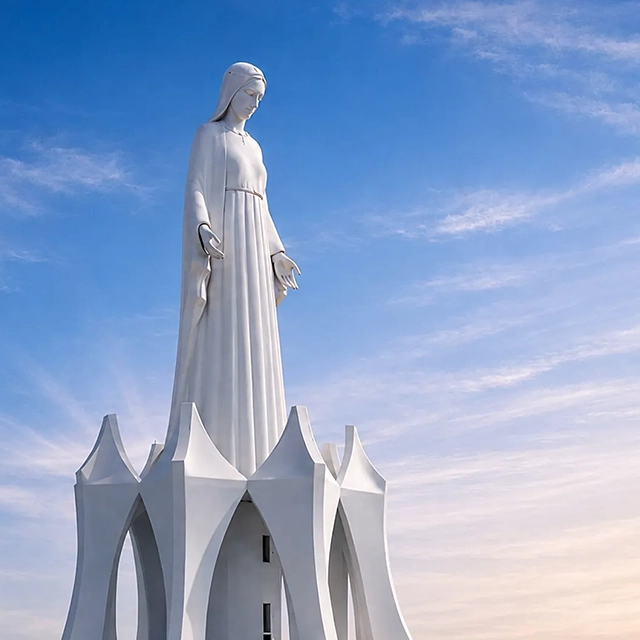


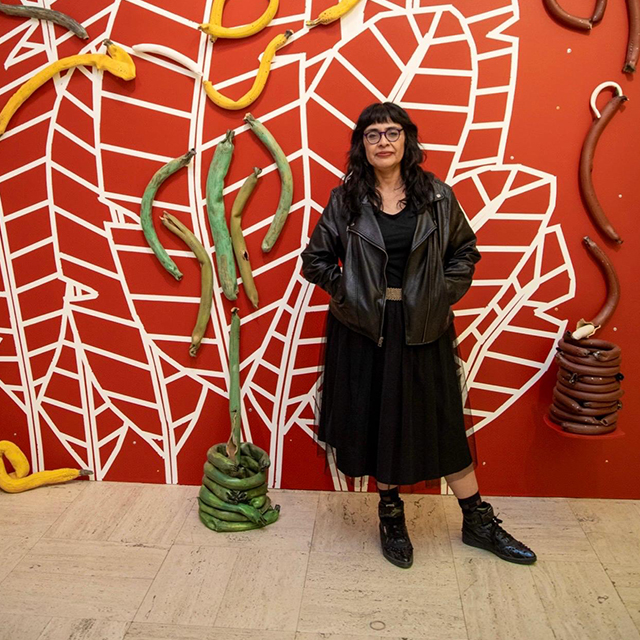
When Harry Belafonte released his famous Day-O (The Banana Boat Song) in 1956, he did not intend to celebrate tropical joy or offer a festive anthem to liven up Caribbean cocktail parties in white suburban America. The song—based on a traditional Jamaican work chant sung by night-shift dock workers loading bananas while waiting for the tally man to count their labor at dawn—is, in truth, a weary prayer, a rhythmic lament. Its upbeat tone masks an exhausting, underpaid routine marked by waiting and invisibility.
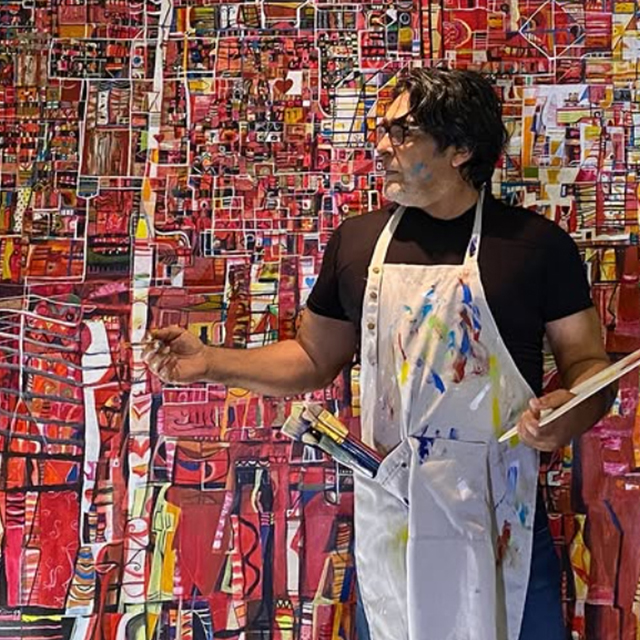
Leyva is a Cuban artist whose life and work are deeply marked by persistence, reinvention, and resilience. What is truly singular is that, even through transformation, his voice remains intact.

God knows why I tend to read the BBC’s digital edition late at night. Perhaps because I enjoy — and at the same time, not entirely — its concise and direct style. It does, however, offer compelling articles on themes or events that larger media outlets often overlook. Georgina Rannard, for instance, published a captivating piece (in its English version) about the ancient practice of tattooing on the Siberian steppe.
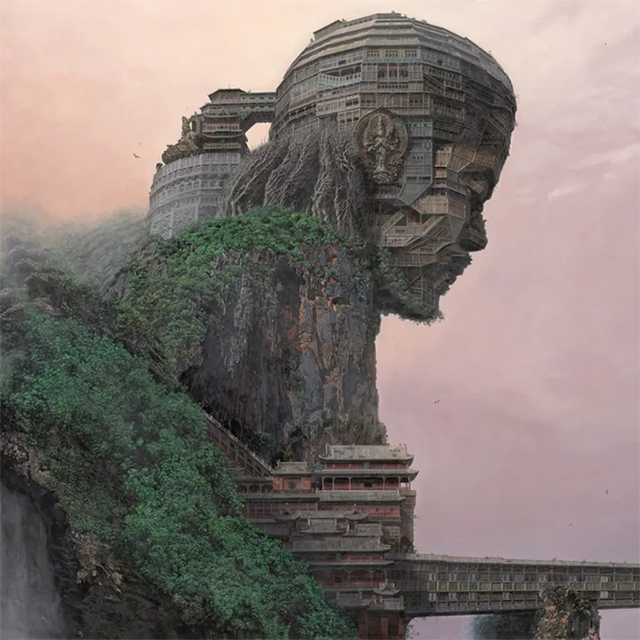
A staggering percentage of its so‑called informative content is either false or, at best, inaccurate. Today I stumble upon a post about the alleged auction—at Christie’s—of an AI‑generated work. I read and save. The note focuses more on the controversy it sparked than on the sale itself, perhaps because uproar, confrontation, and intellectual skirmishes attract far more attention than the artworks themselves.

As my enthusiasm for Artificial Intelligence grows, so does the range of readings I pursue on its likely paths and its influence on human reasoning. It is a dense undertaking: every day the media returns to the subject, and those articles, as they pile up, age with unsettling speed. AI keeps redefining itself. Yet to stop speaking about it is unthinkable.
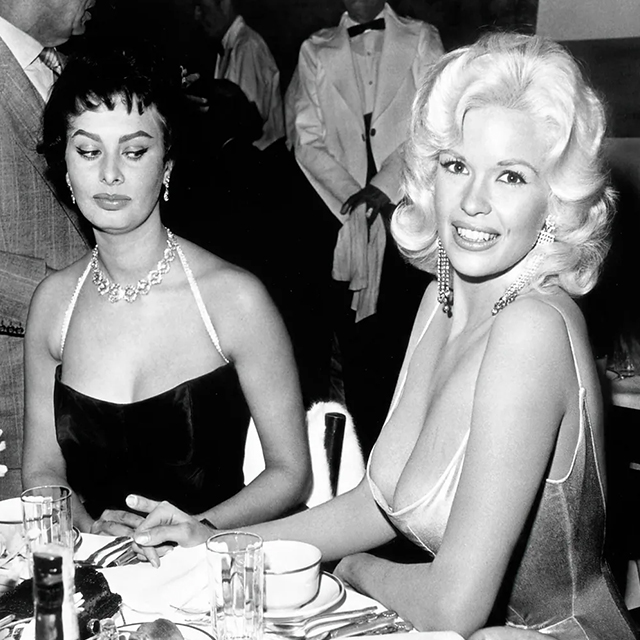
At barely twenty‑two, the dazzling Sofia was already under Paramount’s watchful eye. Its executives, captivated by her performances in Aida (1953) and The Gold of Naples (1953), saw in her the natural successor to the great European figures Hollywood had once embraced: Ingrid Bergman and Marlene Dietrich.
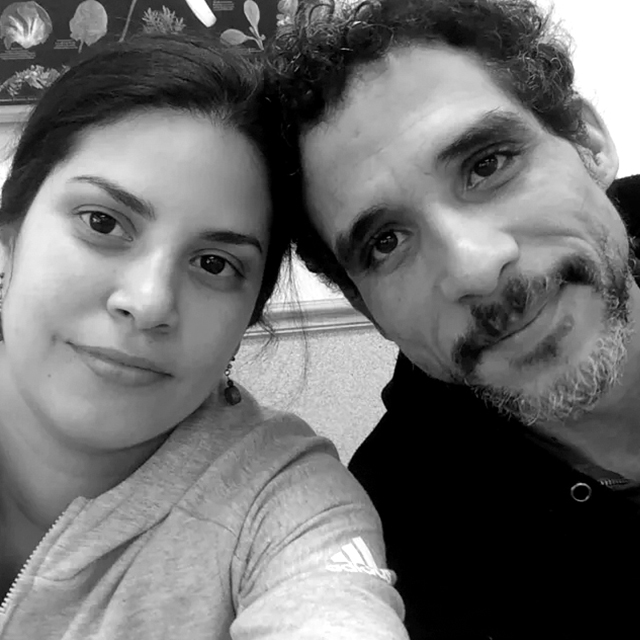
Yesterday—quite late in the day—I learned of the tragic passing of the artist Rewell Altunaga through a post by Jesús Hdez‑Güero, another Cuban creator based in Madrid. Hdez‑Güero shared the article CNN published just yesterday on its digital edition. The piece, written by Ray Sánchez—a Puerto Rican journalist who once reported from Havana for the network—notes that he would often come across Rewell on the streets of West Harlem, in northern Manhattan.
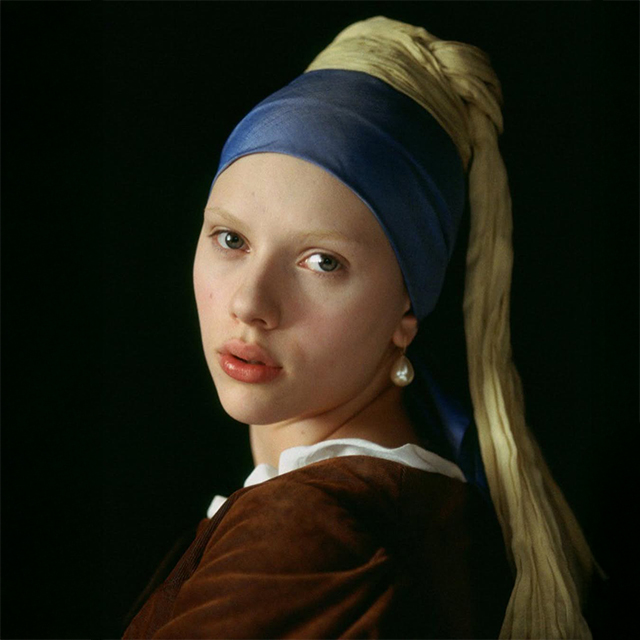
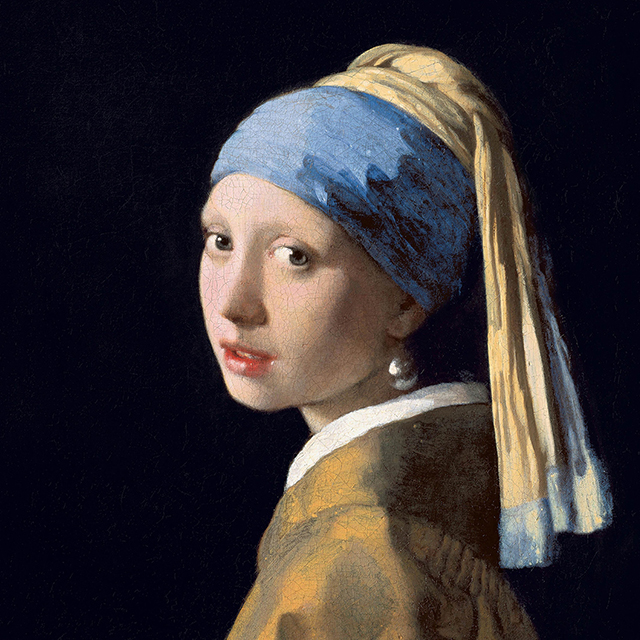
According to various sources, Girl with a Pearl Earring (2003), directed by Peter Webber and starring Scarlett Johansson as Griet, offers a carefully crafted fictional account inspired by the iconic painting of the same name by Johannes Vermeer. Critics agree that the film successfully evokes the visual world of the Dutch master with notable sensitivity. Based on the novel by Tracy Chevalier, the story is set in 17th-century Delft and follows a young maid who becomes a quiet yet pivotal presence in the painter’s studio.
I believe it has something to do with age—the way we begin to reject an overwhelming percentage of the stimuli we receive each day. Visual, auditory, olfactory... perhaps only the tactile ones survive, and even then, just barely. Maybe it’s because, after fifty, we’re simply not touched as often as we once were.
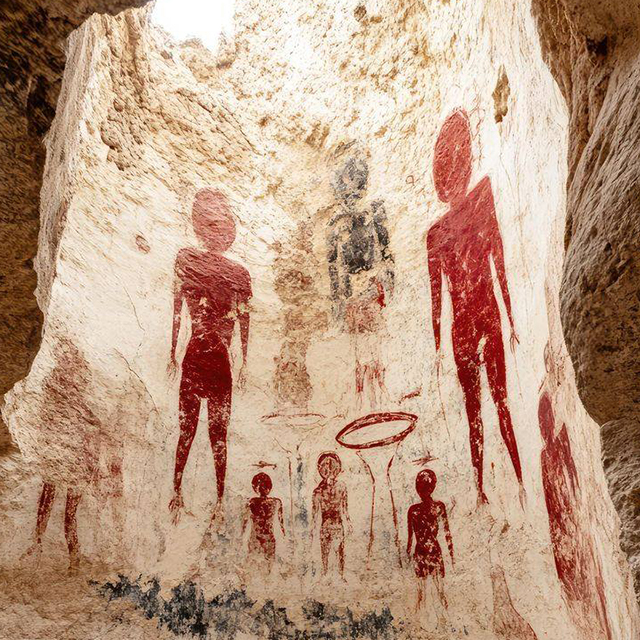
Alone in the vastness of space, that is. And many of us, alas, in the cramped solitude of our own rooms. Perhaps that is why I tend to raise an eyebrow —the left one— whenever I come across posts whose authors claim to detect, in ancient structures, rock art, or oral legends, undeniable evidence of extraterrestrial encounters at the dawn of time.

Just nine days ago, on Friday, June 20, photographer Nick Hedges passed away at the age of 81. He lived his life with the firm belief that photography is a powerful tool for driving social change. He wasn’t alone in this conviction—and speaking for myself, someone who only shoots with a phone, I’m beginning to take that idea seriously.
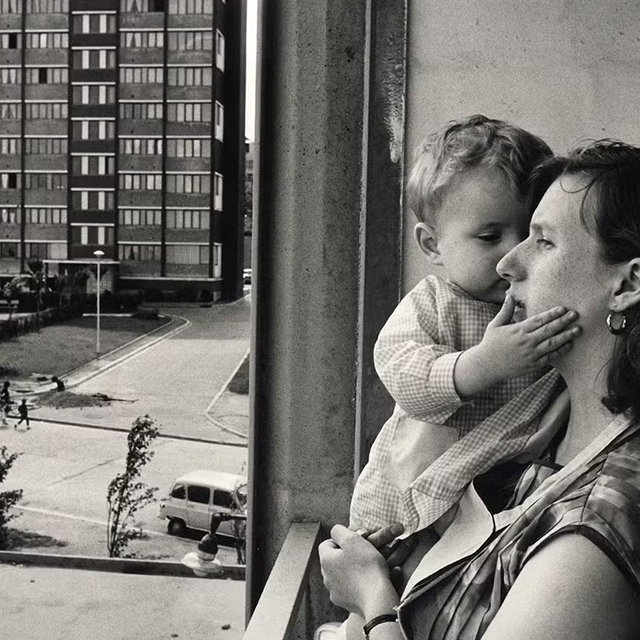
What do we see in the photograph—what is it, in fact, that the curator, the writer, the director of the MEP, and the readers of these reflections want to see? The image—taken by Janine in Vitry, in 1965—functions as a diptych that articulates two registers: one intimate, the other collective...
The last of these posts was published on June 7. More than two weeks without writing a single line. On my wall, yes—of course—because what I tend to write there is mostly about lived experience: the emotions they provoke, and the sediment they leave behind. A release, nothing more. Nothing to analyze.

While writing the previous chronicle, I took a few pauses to search for depictions of Achilles in the history of art. To my surprise, they are scarce—and rather anemic. The balance between his weight in the collective imagination and his trace in the visual arts is tenuous, almost absurd.
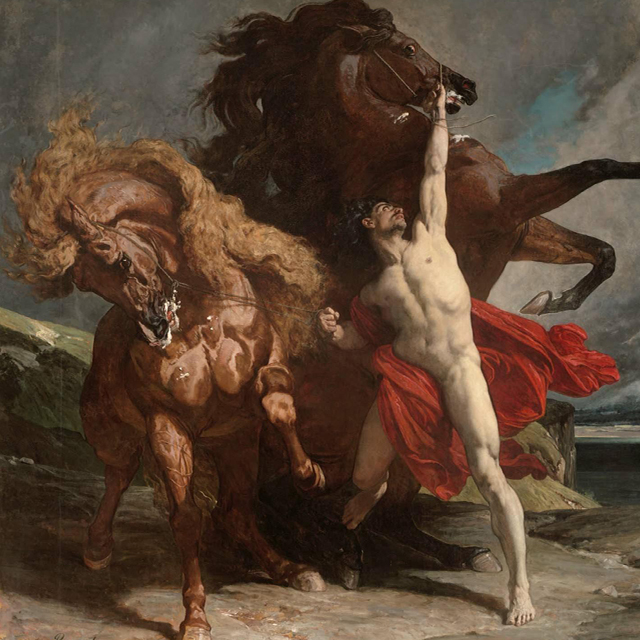
Years before immersing myself in Luis Segalá y Estalella’s Spanish rendering of the Iliad, I had already been moved by the exquisite summary José Martí wrote for La Edad de Oro. Its simplicity, its scandalous beauty, is devastating.


If you’re a regular reader of this blog and enjoy its content, you might consider contributing to its upkeep. Any amount, no matter how small, will be warmly appreciated
Founded in 2021, Echoes (Notes of Visual Narrative) invites everyone to explore together the visual codes that shape our world—art, photography, design, and advertising in dialogue with society.

Copyright © 2026 r10studio.com. All Rights Reserved. Website Powered by r10studio.com
Cincinnati, Ohio