
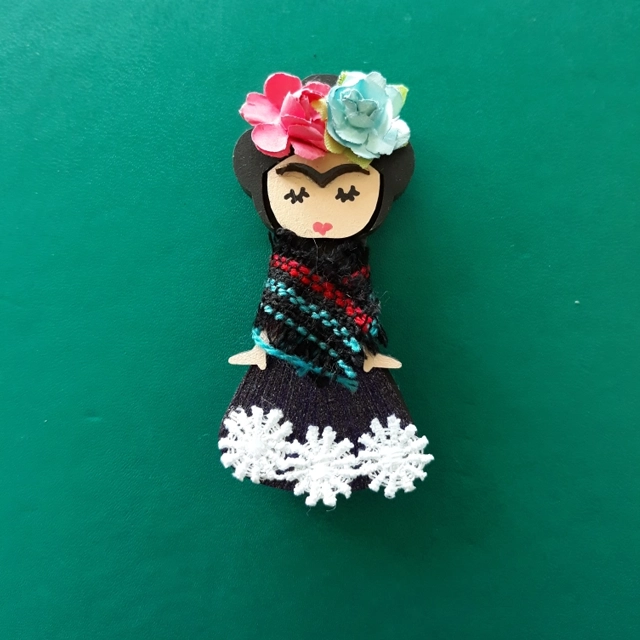
It is enough to walk long enough through the arteries of any major city for the iconic eyebrows of Frida Kahlo to emerge from some unexpected corner. Alongside the Virgin of Guadalupe and the poblano chili, they constitute Mexico’s leading exports and a confused symbol for millions of women worldwide. In her homeland her image circulates on banknotes, perfumes, and the most unimaginable supports.
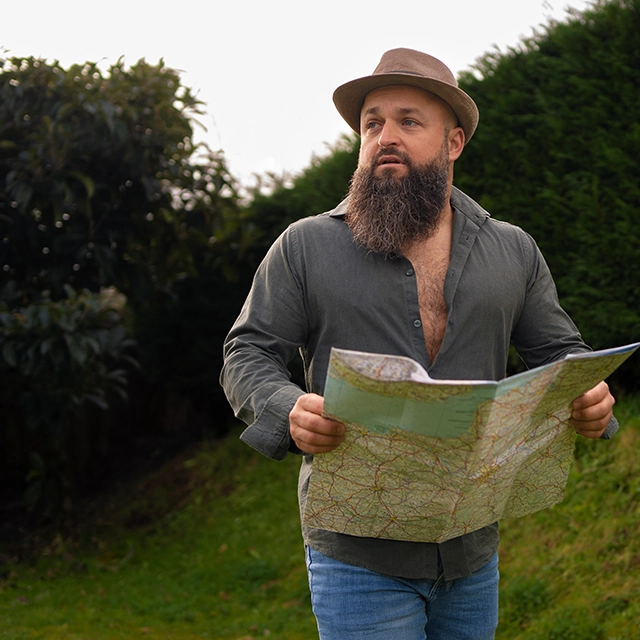
The art market revolves around monumental sums. What captures the spotlight is usually the excessive sale, the broken record, the news that one artist or another has climbed the rankings. The tip of the iceberg. Behind these dazzling transactions lies the effort, talent, and dedication of one of its key figures: the advisor. A specialist who assumes he will never shine before the public...
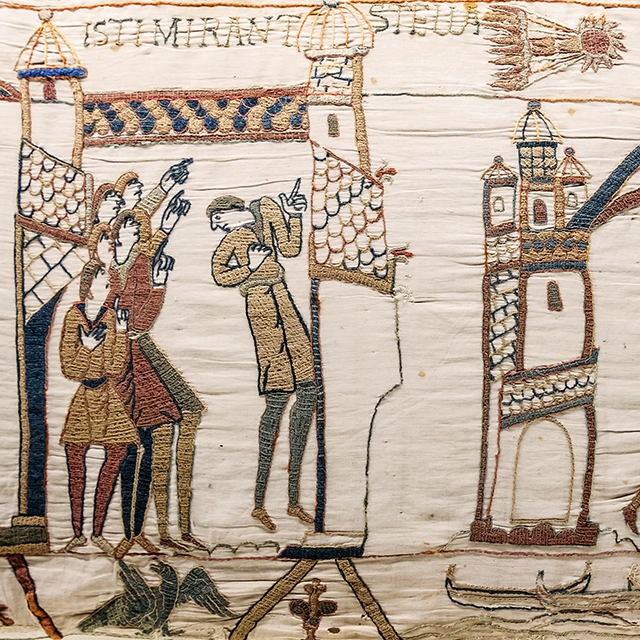
It’s astonishing—over 40,000 people have signed a petition to block the French government from lending the Bayeux Tapestry to Britain. Yes, that’s right: a concerned multitude insists the ancient fabric is too fragile for the journey.
The campaign was spearheaded by Didier Rykner, the art historian behind La Tribune de l’Art, who argues that President Macron should have heeded the advice of conservators and restorers instead of green-lighting the loan to the British Museum.
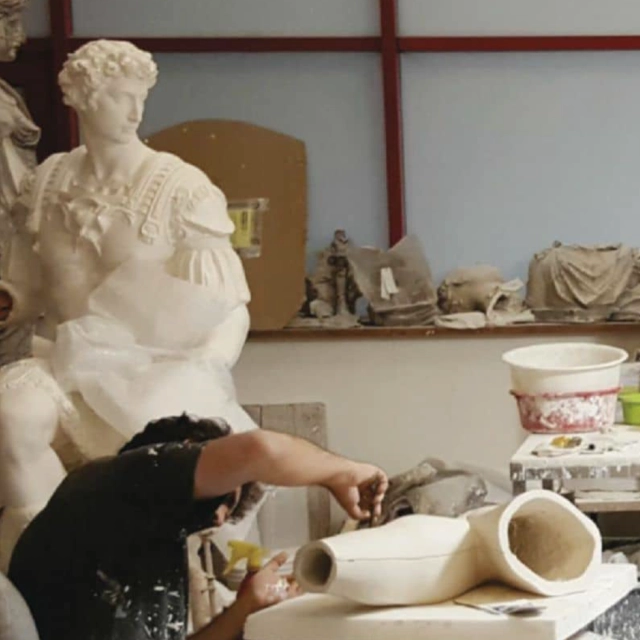
This article has little of true interest. What catches my attention, however, is the way its original content has drifted from one outlet to another, as if there were nothing else in the world worth recounting. Perhaps it belongs to a secret chain of good fortune. This is my extract of an extract of yet another extract, and so on, until the original author dissolves into the distance. Take it as a nocturnal diversion and as a reiteration of the open secret that most cultural blogs venture into the fields to harvest the grain that will be baked into the bread of the mornings to come.
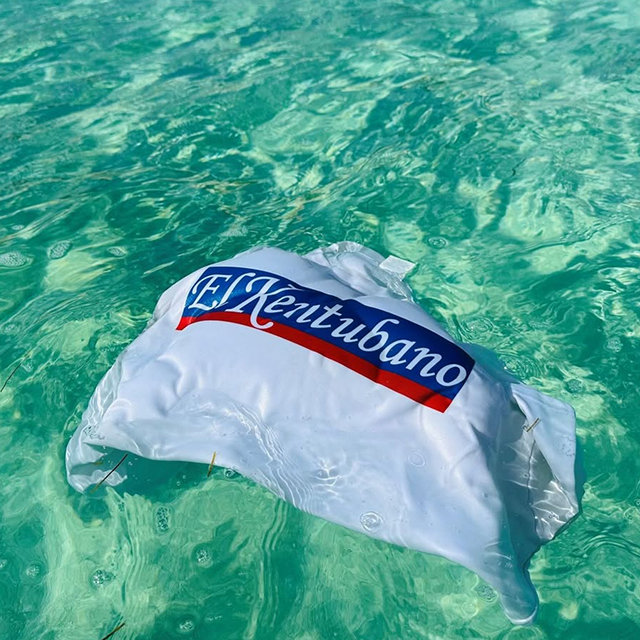
This past weekend, Annex Gallery carried out a working visit to Louisville, Kentucky, with the purpose of attending a talk offered by several Cuban artists on the challenging process of sustaining their creative practice within an economic, social, political, and even climatic context radically different from the one they had once known. The conversation took place at noon in the main hall of Louisville Visual Art and extended for nearly two hours. Four Cuban artists from the group engaged the local audience in dialogue about their experiences as emigrants while also delving into specific aspects of their work.
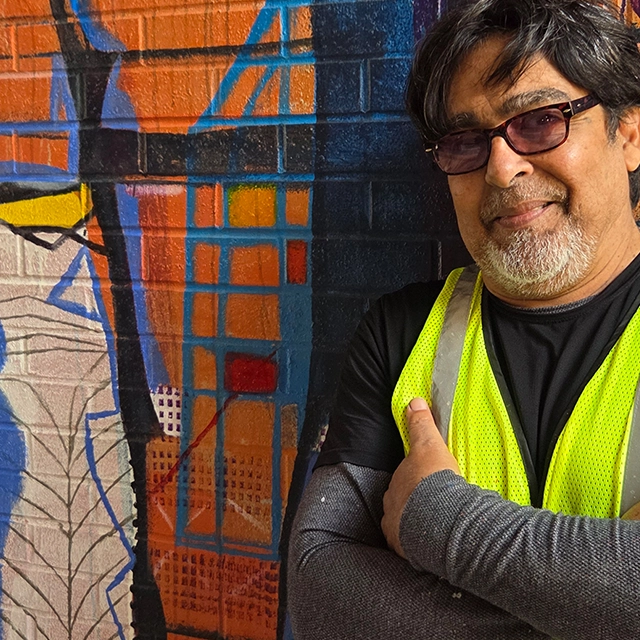
Throughout my life, I have felt a peculiar pleasure whenever I’ve had the chance to witness a birth. These beginnings—first steps, embryonic shapes of future realities—emerge every minute, every second. They are part of the unending dynamic of existence in the physical realm. Most will go unnoticed, for only God can foresee the majestic tree that may rise from a given blade of grass.

I've known Leticia for so many years that I can’t quite find the thread of the memory. What I do remember—clearly—is that while she was studying design, I suddenly realized she would never be a designer. Because she was an artist, and because she couldn't, wouldn't, and had no interest in being or doing anything else. I can’t recall the first time I saw her work either. But what I do know is that her work has been orbiting my gaze for a very long time, as if it had always been there—lurking, silent, waiting for unsuspecting, gentle eyes.
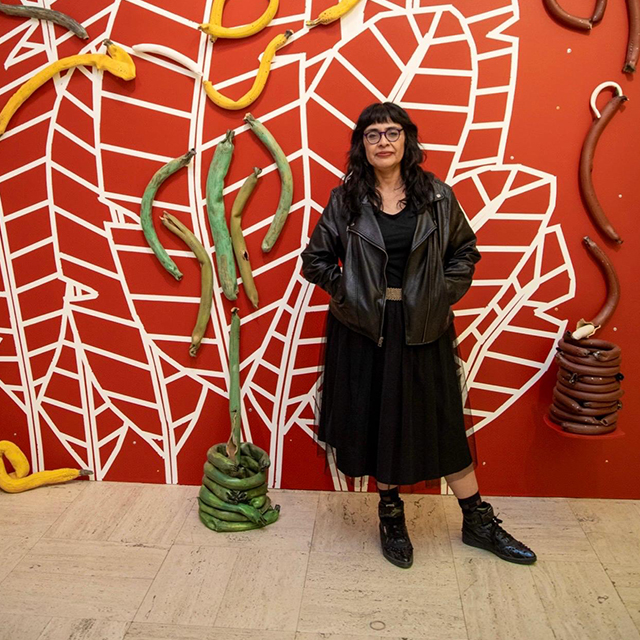
When Harry Belafonte released his famous Day-O (The Banana Boat Song) in 1956, he did not intend to celebrate tropical joy or offer a festive anthem to liven up Caribbean cocktail parties in white suburban America. The song—based on a traditional Jamaican work chant sung by night-shift dock workers loading bananas while waiting for the tally man to count their labor at dawn—is, in truth, a weary prayer, a rhythmic lament. Its upbeat tone masks an exhausting, underpaid routine marked by waiting and invisibility.
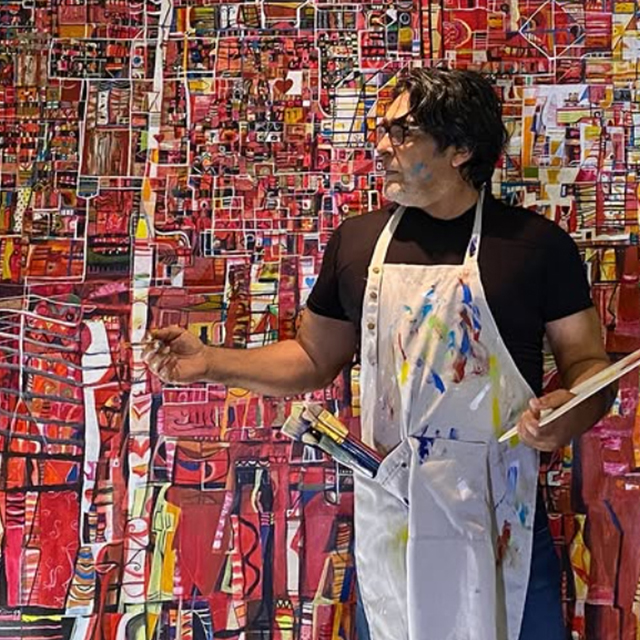
Leyva is a Cuban artist whose life and work are deeply marked by persistence, reinvention, and resilience. What is truly singular is that, even through transformation, his voice remains intact.


If you’re a regular reader of this blog and enjoy its content, you might consider contributing to its upkeep. Any amount, no matter how small, will be warmly appreciated
Founded in 2021, Echoes (Notes of Visual Narrative) invites everyone to explore together the visual codes that shape our world—art, photography, design, and advertising in dialogue with society.

Copyright © 2026 r10studio.com. All Rights Reserved. Website Powered by r10studio.com
Cincinnati, Ohio