
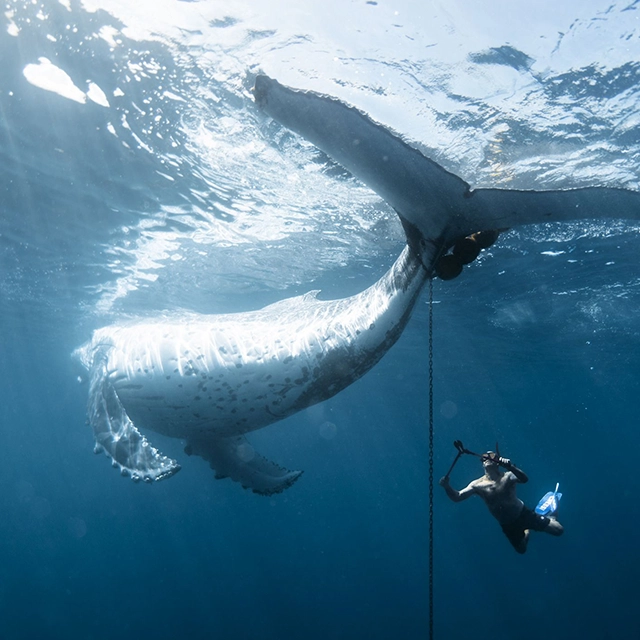
The latest issue of Australian Science Illustrated—issue 121, February—brings a great deal of interesting material. It is not a journal as serious as Science; it is, rather, a popular-science magazine. It seems aimed at a broad, family readership. Still, its articles are intelligent and very well written. It publishes features on science in general and technology, with a clear preference for content on outer space, medicine, archaeology, and nature.
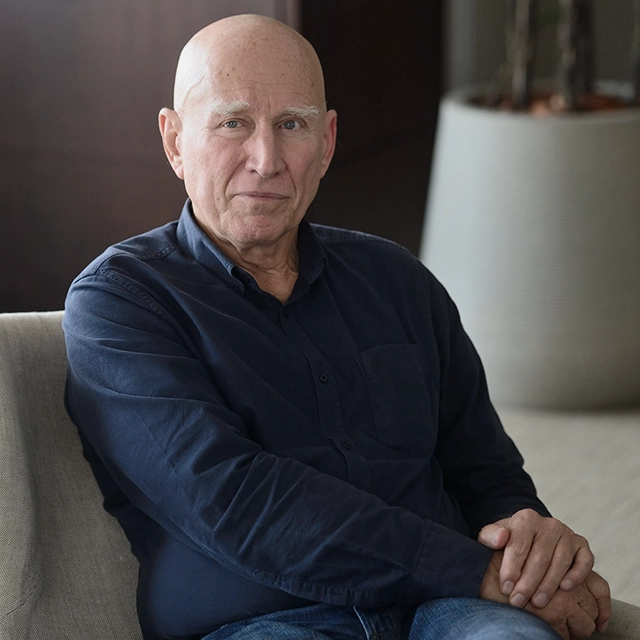
Salgado is indispensable to twentieth-century photography. His unmistakable images of vast crowds working—fighting to survive the world’s violence—remain permanently fresh in the memory of those of us who love the medium. So do his extraordinary photographs of the attempted assassination of Ronald Reagan, along with the work he produced while covering the conflicts in Rwanda and the Balkans, among many others...
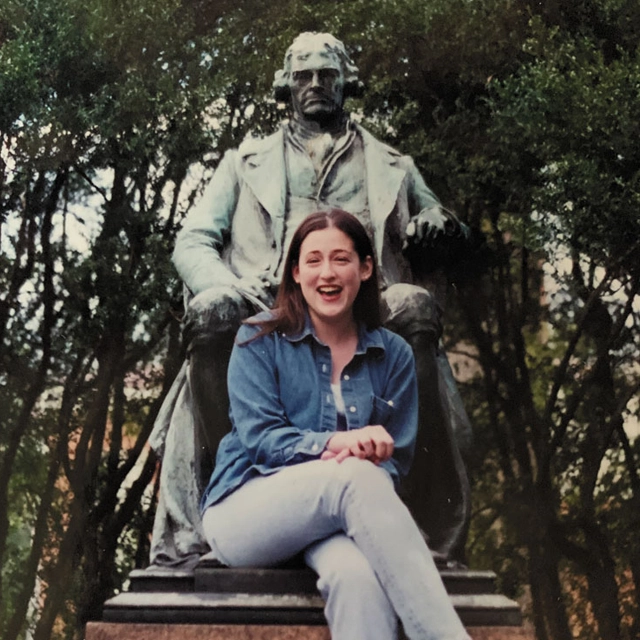
The Clark Art Institute is widely regarded as one of the most prestigious cultural institutions in the United States. Located in Williamstown, Massachusetts, it has been devoted to the study and exhibition of art since 1955. The Institute uniquely combines a museum of the highest caliber with a leading research center—the Research and Academic Program—positioning it as an international point of reference for art historians, curators, and scholars...
Edgar Su won the top prize at the World Sports Photography Awards 2026 with this photograph of Carlos Alcaraz in full action. Amateur Photographer, in its January 27, 2026 issue, reports the award and reproduces the image.
The photograph is titled Carlos’ Shadow Hits a Ball and was taken during an actual match. One could easily swear it was shot in a studio, so precise is it that it unsettles.
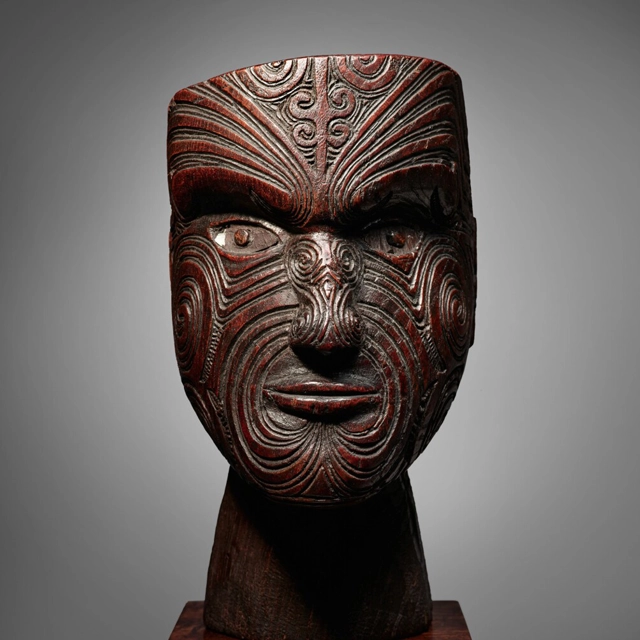
It is generally understood that national museums ought to be the natural custodians of their cultural memory.
Spaces where the history of national art is presented in an ordered and intelligible form. Where foundational images can still be contemplated. Yet, primarily for reasons of funding, an increasing number of state institutions...
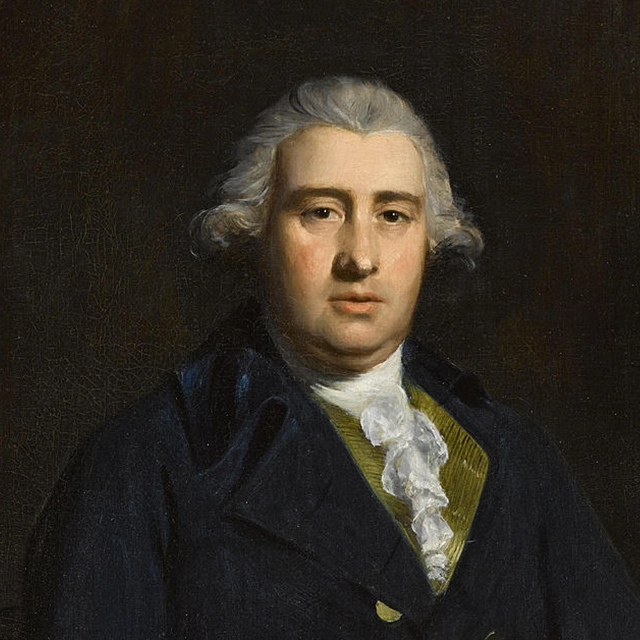
Richard Hoare presents Edge of Light | Journeys Across a Frontier at Messum’s (London). From 7 to 30 January 2026, Messum’s (David Messum Fine Art) brings together a selection of recent works by the British painter, conceived along the Atlantic edge. The gallery frames this territory as a threshold: a place where sea and horizon blur, and light seems to force its way through skies that are dense, unstable, and perpetually in flux.

My interest in Asia does not arise from fascination, but from the recognition of a cultural sediment that resists superficial readings. China and Japan have been fundamental references in this process, both in the realm of visual arts and in that of symbolic management. Their literature and philosophy have not lost their capacity to converse with contemporaneity—not as untouchable corpora, but as tools for living thought...
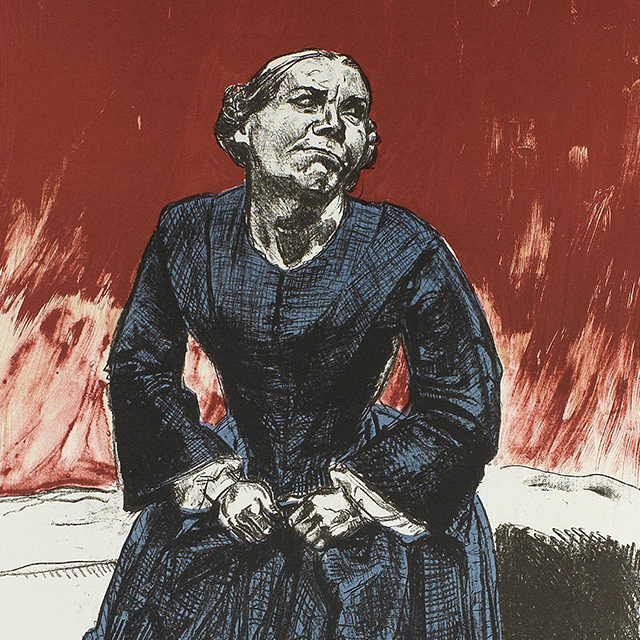
Three and a half years after her death, Paula Rego’s work continues to unfold an uneasy power, resistant to domestication. A recent exhibition at Cristea Roberts Gallery in London brings together a group of prints produced between 2005 and 2007, during the final phase of the artist’s career. Far from any pacifying reading, these works confirm that time does not soften the strangeness of her universe; on the contrary, it sharpens it, making it harder to evade.

Margate is a coastal town in southeastern England. Located in the county of Kent, on the shores of the North Sea, it forms part of the Thanet district and lies approximately 120 kilometres east of London.
Directly facing the sea stands Turner Contemporary, a contemporary art centre designed by David Chipperfield Architects and inaugurated in 2011...


If you’re a regular reader of this blog and enjoy its content, you might consider contributing to its upkeep. Any amount, no matter how small, will be warmly appreciated
Founded in 2021, Echoes (Notes of Visual Narrative) invites everyone to explore together the visual codes that shape our world—art, photography, design, and advertising in dialogue with society.

Copyright © 2026 r10studio.com. All Rights Reserved. Website Powered by r10studio.com
Cincinnati, Ohio