

There is always that day in October or November when we sense, with unnerving clarity, that a definitive seasonal shift is approaching. In South Florida, such a prelude might be dismissed as a joke; here, in the North, it must be taken a little more seriously.
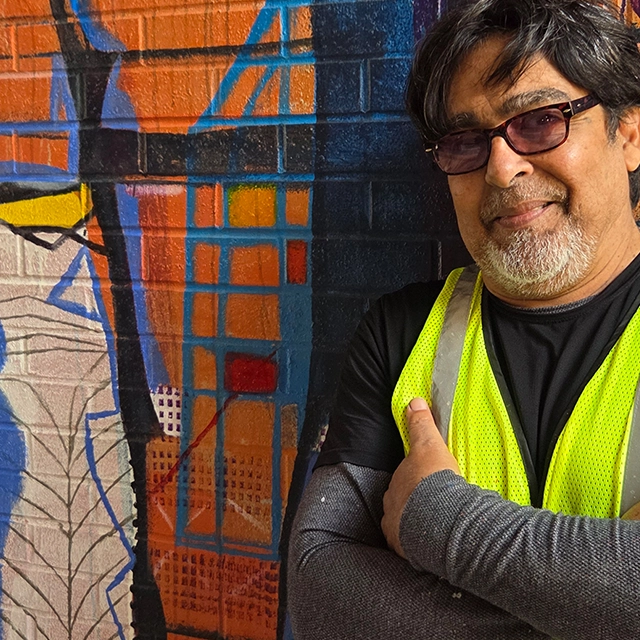
Throughout my life, I have felt a peculiar pleasure whenever I’ve had the chance to witness a birth. These beginnings—first steps, embryonic shapes of future realities—emerge every minute, every second. They are part of the unending dynamic of existence in the physical realm. Most will go unnoticed, for only God can foresee the majestic tree that may rise from a given blade of grass.

I've known Leticia for so many years that I can’t quite find the thread of the memory. What I do remember—clearly—is that while she was studying design, I suddenly realized she would never be a designer. Because she was an artist, and because she couldn't, wouldn't, and had no interest in being or doing anything else. I can’t recall the first time I saw her work either. But what I do know is that her work has been orbiting my gaze for a very long time, as if it had always been there—lurking, silent, waiting for unsuspecting, gentle eyes.
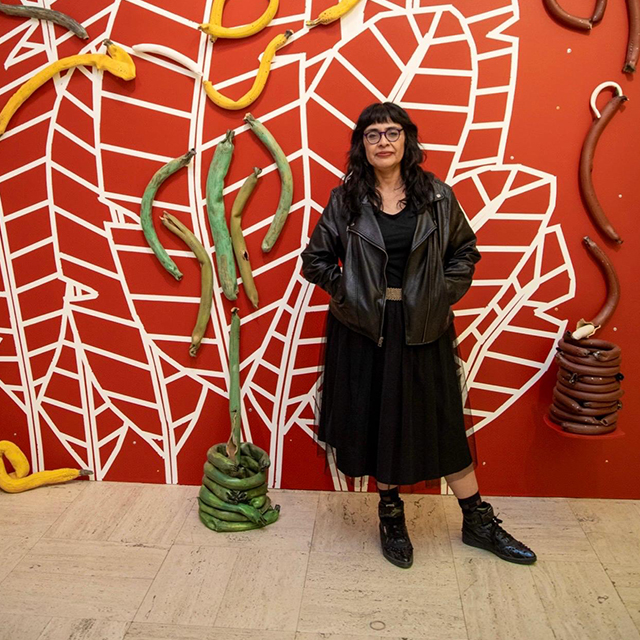
When Harry Belafonte released his famous Day-O (The Banana Boat Song) in 1956, he did not intend to celebrate tropical joy or offer a festive anthem to liven up Caribbean cocktail parties in white suburban America. The song—based on a traditional Jamaican work chant sung by night-shift dock workers loading bananas while waiting for the tally man to count their labor at dawn—is, in truth, a weary prayer, a rhythmic lament. Its upbeat tone masks an exhausting, underpaid routine marked by waiting and invisibility.
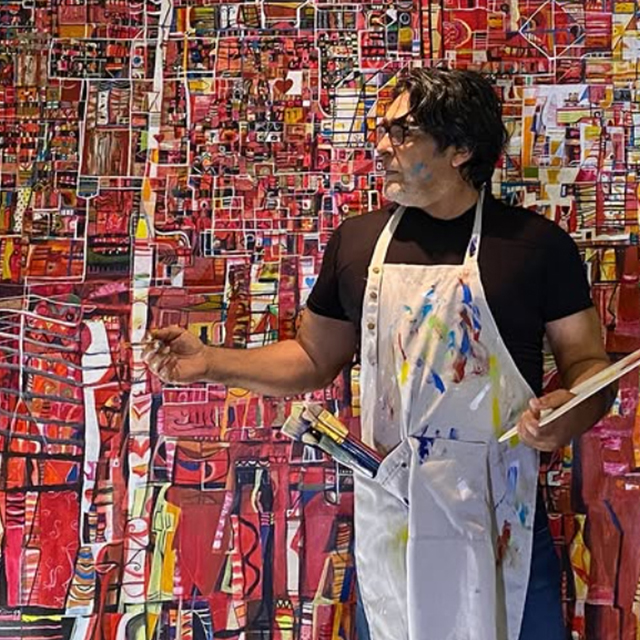
Leyva is a Cuban artist whose life and work are deeply marked by persistence, reinvention, and resilience. What is truly singular is that, even through transformation, his voice remains intact.

God knows why I tend to read the BBC’s digital edition late at night. Perhaps because I enjoy — and at the same time, not entirely — its concise and direct style. It does, however, offer compelling articles on themes or events that larger media outlets often overlook. Georgina Rannard, for instance, published a captivating piece (in its English version) about the ancient practice of tattooing on the Siberian steppe.


If you’re a regular reader of this blog and enjoy its content, you might consider contributing to its upkeep. Any amount, no matter how small, will be warmly appreciated
Founded in 2021, Echoes (Notes of Visual Narrative) invites everyone to explore together the visual codes that shape our world—art, photography, design, and advertising in dialogue with society.

Copyright © 2026 r10studio.com. All Rights Reserved. Website Powered by r10studio.com
Cincinnati, Ohio
